Everyday Nutrition Habits

What the Biblical drink (oil)/ Honey blend Tradition Can Teach Us About the Order We Eat

A closer, unhurried look at how the Biblical drink (oil)/ Honey blend appeared in traditional kitchens, and how something as simple as plate order fits into an everyday meal routine.

Everyday Nutrition  ·  Daily Habits  ·  Educational Content  ·  Kitchen Traditions

The Rhythm Behind Every Plate

Picture a Tuesday: the alarm goes off, the coffee is already cold by the time you sit down, and by mid-afternoon your desk chair feels heavier than it did at nine. These small, repeating scenes are what most days actually look like for anyone paying attention to what and when they eat.

The Morning That Starts Heavy

Some mornings the body feels like it's still catching up, long before the first task of the day even begins.

The Afternoon Rollercoaster

Lunch ends, and an hour later comes the familiar dip — focus drifts, the couch looks more appealing than the inbox.

The 'What Do I Even Eat' Loop

Grocery aisles and group chats are full of conflicting advice, and it's easy to end every meal decision more confused than before it.

The Weight of Deciding Every Meal

Three meals, seven days a week — the sheer number of small food choices can turn eating into a quiet, ongoing mental task.

Myths vs Facts: Carbs, Fruit, and 'Diabetic Food'

A lot of everyday nutrition talk repeats ideas that sound true but don’t hold up well. Here are three common ones, side by side with a more grounded way to look at them.

MYTH

All carbohydrates are basically the same and should be avoided.

FACT

Carbohydrates come in very different forms — whole foods behave differently on the plate than refined, processed ones. Context and portion matter more than a blanket rule.

MYTH

Fruit is too sugary to include in a balanced routine.

FACT

Whole fruit comes with fiber and structure that differ from added sugars. Many people include fruit as part of an everyday, varied way of eating.

MYTH

There’s a special category of ‘diabetic food’ that’s fundamentally different.

FACT

Most guidance today points toward the same foundations of everyday balanced eating for everyone — not a separate, restrictive food category.

A Simple Habit Worth Noticing: Meal Order

None of this replaces medical guidance — it’s simply a look at how three everyday habits around meals tend to work together. Always keep following the plan set by the professional who knows your health history.

01

Start With What's On the Plate First

Some people notice a difference in how a meal feels when vegetables or protein are eaten before the starchier parts of the plate — a small ordering habit, nothing more.

02

Find the Pace of the Meal

Eating slowly, chewing fully, and giving a meal its own time — rather than rushing it between tasks — is a habit many people build gradually.

03

Add a Little Movement Afterward

A short walk or light activity after eating is a habit some people fold into their day simply as part of an active routine — always within whatever your doctor considers appropriate for you.

A Kitchen Tradition: The Story of Biblical drink (oil)/ Honey blend

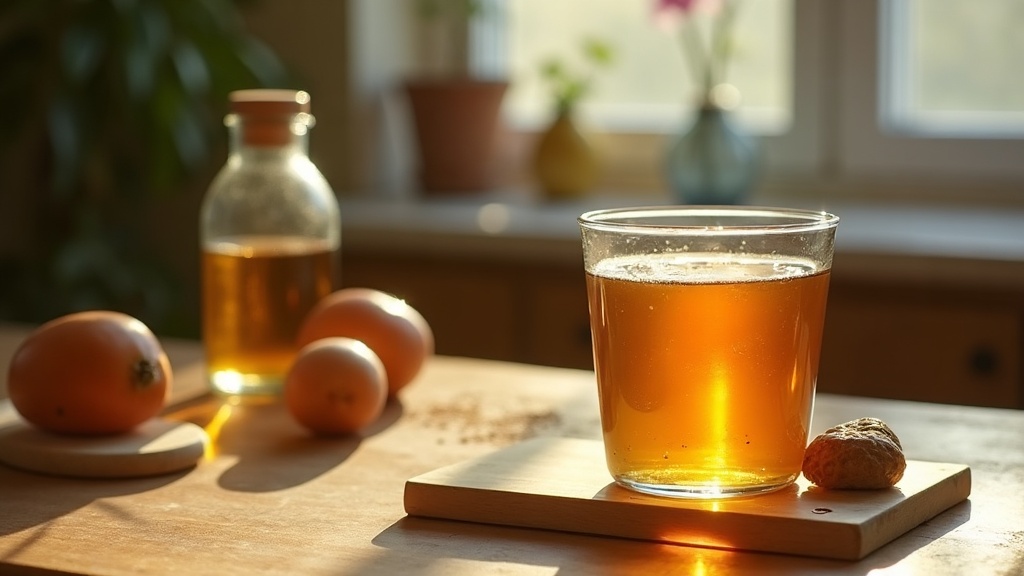
Long before nutrition labels existed, oil and honey were kitchen staples across Mediterranean and Middle Eastern households. Olive oil was pressed and stored in clay jars, often drizzled over warm bread or mixed into simple dishes shared at the table. Honey, harvested and prized for its sweetness, was folded into these same meals or stirred into warm drinks during gatherings. Old texts and oral traditions describe this pairing as a symbol of abundance and hospitality, served to guests and used to mark shared meals and seasonal harvests. It was, first and foremost, a way of cooking and of setting a table — a piece of culinary heritage passed from one kitchen to the next.

This is a story about culture and cuisine, not a claim about how the body works. If you’re curious about including traditional ingredients in your own meals, it’s worth mentioning to the healthcare professional who follows your care.

Everyday Moments Worth a Conversation With Your Doctor

Sleep That Doesn't Feel Restful

If mornings consistently feel unrefreshing no matter how early you go to bed, it's a good detail to bring up with the doctor who follows your care.

Energy Dips That Keep Repeating

An afternoon slump now and then is common, but a pattern that repeats daily is worth describing to your healthcare provider at your next visit.

Noticing Changes You Can't Explain

Any change in how you feel day to day that seems new or unusual is best discussed directly with the professional managing your care, rather than guessed at on your own.

Shifts in Appetite or Routine

If your hunger, thirst, or general eating rhythm feels different than usual for more than a few days, mention it to your doctor so they can look into it properly.

Questions About Your Current Plan

If you're ever unsure about something in your treatment or eating plan, the right next step is always a conversation with your doctor — never a change made on your own.

Before Trying Something New

Considering a new habit, ingredient, or routine? It's always worth checking first with the healthcare professional who knows your full health picture.

Real Routines, Real Adjustments

I used to eat whatever was fastest between meetings. Now I try to slow down and think about the order of what's on my plate — it's a small shift, but it's made mealtime feel less chaotic.

Marisol Trent
Illustrative account
The idea of a short walk after dinner sounded too simple to matter, but it's become part of my evening routine and something I actually look forward to now.
Desmond Okafor
Illustrative account
Learning about the history behind ingredients like honey and oil gave me a new appreciation for meals I already cook. It didn't change my treatment plan — just how I think about food.
Priya Anand
Illustrative account

These are individual experiences shared for illustrative purposes only. They do not represent guaranteed outcomes, and results vary from person to person. Always follow the guidance of your own healthcare provider.

Curious About the Full Story?

Watch the video to explore the traditions, habits, and everyday context behind this topic. This content is educational only — always keep up with your regular medical care and never adjust any treatment or medication without first talking to your doctor.

Advertising Disclosure: This page contains sponsored content and affiliate links. We may receive compensation if you click on or make a purchase through links on this page. This compensation may impact how and where products appear on this site.

Content Disclaimer: This content is for educational and informational purposes only. It has not been evaluated by the FDA and is not intended to diagnose, treat, cure, or prevent any disease. Nothing on this page is a substitute for professional medical advice, diagnosis, or treatment. Always consult a qualified healthcare professional before making any changes to your diet, routine, or any prescribed treatment.

Results Disclaimer: Individual results vary. Testimonials and examples shared on this page reflect personal experiences and are not a guarantee of any particular outcome.

© 2026 · All Rights Reserved